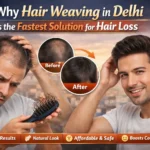
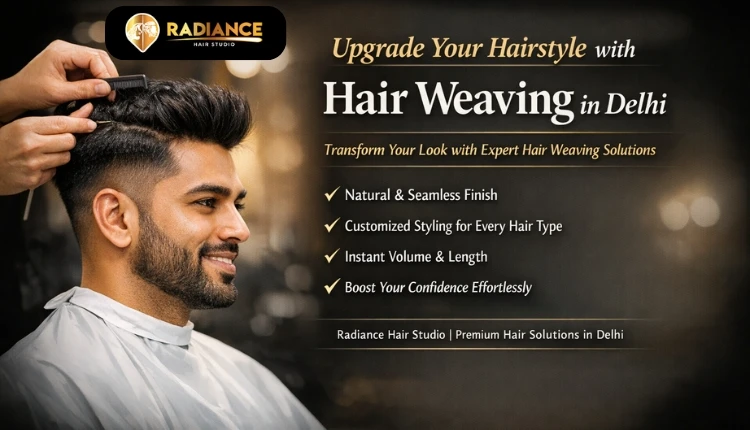
There comes a moment when you look in the mirror and think — something needs to change. Maybe your hair has thinned over the years, or stress has left it looking lifeless. Perhaps you simply want to experiment with a bold new look without committing to a chemical treatment. Whatever your reason, hair weaving in Delhi has quietly become one of the most sought-after solutions for people who want real, lasting transformation without surgery or downtime.
Delhi’s beauty scene is no longer limited to basic salons and cookie-cutter haircuts. Trained specialists across the city are now offering advanced weaving techniques that blend artificial or donor hair so seamlessly with your natural locks that even you might forget where one ends and the other begins.
Whether you are a professional wanting a polished look or a college student craving voluminous curls, hair weaving can adapt to your lifestyle and your goals.
In this guide, we break down everything — how the process works, what to expect, which technique suits you best, and how to care for your new hair. By the end, you will have a clear picture of whether this is the right move for you.
What Exactly Is Hair Weaving — and Why Is Everyone Talking About It?
Hair weaving is a non-surgical hair restoration technique that involves attaching additional hair — either human or synthetic — to your existing hair or scalp using a variety of methods. Unlike wigs, which sit on top of the head, weaving integrates with your natural strands to create a cohesive, realistic result.
Think of it this way: imagine your friend who went from a thin ponytail to full, cascading waves over a single weekend. Chances are, she got a weave. The technique has been popular in Western markets for decades, but Delhi’s hair care industry has now caught up — and in some ways, surpassed global standards, thanks to skilled technicians who work with India’s uniquely diverse hair textures.
The growing interest stems from one simple fact: it works. People with alopecia, postpartum hair loss, or stress-induced thinning are finding renewed confidence through weaving. And those who simply want more body, length, or colour variety without bleaching or cutting their natural hair are equally drawn to it.
Who Is It Best For?
Hair weaving works for men and women across a wide age range. It is particularly effective for people experiencing early-to-moderate hair loss, those with fine or limp hair who want volume, and anyone who wants a temporary style upgrade for a special event or a sustained lifestyle change.
Popular Hair Weaving Techniques Available in Delhi
One of the most common questions people ask before booking an appointment is: Which method is right for me? Delhi’s top hair studios offer several well-established techniques, each with its own benefits depending on your hair type, budget, and how long you want the results to last.
Fusion Bonding
This method uses a keratin-based adhesive to bond individual hair extension strands by strand to your natural hair. The result is incredibly natural-looking and allows for movement similar to your own hair. It lasts anywhere from three to five months with proper care and is ideal for people who want a subtle, long-term upgrade.
Micro-Ring or Loop Method
Tiny metal rings are used to clamp hair extensions directly onto sections of your natural hair — no glue, no heat. This makes it one of the safest options for people with fragile or chemically treated hair. The rings are adjustable, and the extensions can be repositioned as your hair grows.
Sew-In or Track Weaving
Natural hair is braided flat against the scalp in cornrows, and wefts of hair are then sewn onto those braids. This method is extremely durable, cost-effective, and particularly popular for adding significant length and volume. It is also the go-to choice for clients who want a dramatic transformation.
What to Expect During Your First Hair Weaving Session?
Walking into your first appointment can feel a little intimidating — especially if you do not know what lies ahead. Here is a realistic, step-by-step picture of what a typical session looks like at a reputable studio.
Your session will almost always begin with a consultation. A trained stylist will examine your scalp health, the density of your existing hair, and your lifestyle habits before recommending a technique. This step is critical and should never be skipped. If a salon skips the consultation and goes straight to the application, consider that a red flag.
Once the technique is decided, the matching process begins. Good studios — especially those known for quality hair weaving in Delhi — will match the texture, colour, and thickness of the extensions to your natural hair before beginning. This single step makes all the difference between a result that looks seamless and one that looks noticeably artificial.
The actual application time can range from two hours for simple additions to six or more hours for a full sew-in. Plan your day accordingly and avoid booking an important meeting or event right after your appointment, since your scalp may need a few hours to settle.
Does It Hurt?
Most people report mild discomfort rather than pain, particularly with sew-in methods where braids are done tightly. Micro-ring and fusion methods are generally gentler. Any significant pain during or after the application should be flagged to your stylist immediately.
Caring for Your Hair After Weaving — Practical Tips That Actually Work
Getting the weave done is only half the journey. The way you care for it determines how long it lasts and how healthy your natural hair remains underneath. Here are some grounded, practical habits that make a real difference.
Washing your hair properly is perhaps the most important routine change. Use a sulphate-free shampoo and focus your lather on the scalp, working it gently downward rather than scrubbing the length of the extensions. Tangling is the number-one enemy of any woven style, and rough washing accelerates it significantly.
Moisturising is just as important. Extensions — particularly synthetic ones — do not receive the natural oils produced by your scalp, so they can dry out faster than your own hair. Apply a lightweight leave-in conditioner two to three times a week, focusing on the mid-lengths and ends.
When sleeping, switch to a satin or silk pillowcase. Cotton absorbs moisture and creates friction that damages both extensions and your natural hair at the root. A satin bonnet is an even better option if you move around a lot during sleep.
How Often Should You Visit the Salon?
As a general rule, plan for a maintenance visit every four to six weeks. During these appointments, your stylist will check the bonds or rings, reposition any that have slipped, and trim any split ends on the extensions to keep everything looking fresh and polished.
Common Challenges with Hair Weaving — and How to Overcome Them
No beauty treatment is without its downsides, and hair weaving is no exception. Being aware of potential challenges before you start puts you in a far better position to handle them if they arise.
Scalp tension is the most frequently reported issue, especially with sew-in methods. When braids are done too tightly, they pull on the follicles, causing discomfort and — over time — a condition called traction alopecia, where hairline recession occurs due to repetitive pulling. The fix is simple: insist that your stylist braid at a comfortable tension, and speak up during the process if anything feels too tight.
Another common complaint is itching at the scalp, particularly in the first week after a new application. This is usually caused by the buildup of sebum and product residue under the weave. Using a nozzle applicator to deliver a diluted tea tree oil solution directly to the scalp helps enormously.
Matting and tangling near the roots — especially with longer weaves left in for too long — is another issue. This typically happens when the weave is kept in beyond the recommended period. Sticking to your maintenance schedule prevents this from becoming a serious problem.
What About Damage to Natural Hair?
When applied correctly and maintained properly, hair weaving does not damage natural hair. In fact, weaves that cover the natural hair can actually protect it from environmental damage and heat styling. The problems arise from poor application technique, excessive tension, or leaving extensions in too long — all of which can be avoided by choosing a skilled, experienced professional.
How to Choose the Right Hair Weaving Specialist in Delhi
Delhi has hundreds of salons advertising hair extension services, but not all of them have the training or equipment to deliver professional-grade results. Knowing what to look for saves you both money and disappointment.
Start by checking before-and-after photos on the studio’s social media or website. These should show diverse hair types and realistic results — not just highly edited images or stock photos. Real client transformations tell you far more than any marketing copy.
Certifications matter. Ask whether the stylists have been trained in specific weaving techniques, and whether they work with ethically sourced, quality-grade hair. Cheap synthetic hair may look fine for a week but tends to tangle, mat, and lose its lustre quickly.
Reading Google reviews with a critical eye is also worthwhile. Look for patterns — multiple clients mentioning the same problem or the same stylist is more informative than a single glowing testimonial. And when you go in for the consultation, trust your gut: a stylist who listens carefully, asks questions about your lifestyle, and does not rush you toward the most expensive option is usually one you can trust.
Final Thoughts — Is Hair Weaving Worth It?
The honest answer is: for most people, yes — when done right, hair weaving delivers results that a bottle of supplements or a new shampoo simply cannot match. It is immediate, customisable, and when maintained well, can last for months without looking anything less than natural.
Delhi’s hair care industry has matured significantly over the past decade. You no longer need to fly to Mumbai or look abroad for world-class weaving services. The expertise, the products, and the techniques are all available right here — you just need to know where to look and what questions to ask.
If you are ready to take the next step, consider exploring Radiance Hair Studios, a trusted name in Delhi’s hair restoration space. Whether you are exploring hair weaving for the first time or looking to upgrade from a previous treatment, their specialists work with both weaving techniques and natural hair wigs in Delhi to offer you a fully personalised solution that suits your hair type, your face shape, and your lifestyle.
Book a consultation today and walk out with the hair you have always wanted — no filters required.
Frequently Asked Questions:-
1) How long does hair weaving last, and how often should I get it redone?
- It depends on the technique. Fusion bonding lasts 3–5 months, micro-ring extensions up to 4 months, and sew-in weaves around 6–8 weeks. A maintenance visit every 4–6 weeks keeps everything looking neat and prevents stress on your natural hair.
2) Will hair weaving damage my natural hair?
- Not when done correctly. Applied by a skilled professional at the right tension and removed on time, weaving is safe — and can even protect your hair from daily heat and pollution. Damage only occurs from overly tight braids, skipped maintenance, or leaving extensions in too long.
3) How much does hair weaving in Delhi typically cost?
- Basic sew-in weaves start from around ₹3,000–₹6,000. Advanced techniques like fusion bonding or micro-ring extensions range from ₹8,000 to ₹25,000+, depending on the length and volume required. Investing in quality hair and a trained specialist always pays off in the long run.
4) Can I wash and style my hair normally after getting a weave?
- Yes, with a few tweaks. Avoid washing for the first 48–72 hours to let the bonds settle. After that, use a sulphate-free shampoo and apply a heat protectant before styling. Keep oil-based products away from the roots, as they can loosen bonding adhesives.
5) Is hair weaving suitable for people with hair loss or thinning hair?
- Absolutely. Hair weaving is a popular non-surgical option for those with thinning hair, alopecia, or postpartum hair loss. Those with a fragile scalp should opt for micro-ring or tape-in methods over tight sew-ins. A proper consultation beforehand ensures the safest technique is chosen for your hair condition.